A commercial rooftop project in Navi Mumbai was mid-procurement when the rule changed. The developer had already sourced modules, but from June 1, 2026, MNRE’s ALMM List-II mandate required net-metering and open access projects to use only solar cells procured from Indian-approved manufacturers, not just Indian-approved modules. Their inventory, bought before the rule tightened, suddenly risked becoming unusable for commissioning.
Six weeks later, MNRE reversed course. On 18 July 2026, the ministry extended the exemption window for Non-DCR solar panels in net-metering and removed the barrier for projects through 31 December 2026. For developers, EPC contractors, and commercial and industrial consumers across Maharashtra, that single directive just changed the procurement math for the rest of the year.
What Actually Changed?
MNRE’s ALMM (Approved List of Models and Manufacturers) framework works in two layers:
- List-I governs solar modules
- List-II governs the individual solar cells inside those modules.
From 1 June 2026, the fundamental rules require government-linked, net-metering, and open access projects to use modules built with cells sourced particularly from ALMM List-II-approved Indian manufacturers, not just Indian-assembled modules. A major reason was to support local manufacturers, uplift the “Vocal for Local” policy, and promote India’s Secondary (Manufacturing) sector.
The problem: India’s domestic cell manufacturing capacity, particularly for TOPCon technology, simply hasn’t scaled fast enough to meet that demand, and there is nothing new about it for a country like India, where demand for renewable sources is increasing day by day; to pace up, it will still take a few more years. A large share of ALMM-listed module manufacturers have TOPCon production lines but not enough domestic TOPCon cell supply to feed them, leaving developers with sitting inventory of Non-DCR solar panels for net metering projects that technically couldn’t be commissioned under the new rule.
MNRE’s 18 July memorandum aims to address this issue, as these projects take much longer to set up, and those who have already procured the equipment will be at a considerable loss. The MNRE Non-DCR update offers net-metering and open access renewable energy projects a specific, limited exemption: they can commission using modules whose cells aren’t ALMM List-II-approved, provided commissioning happens on or before 31 December 2026, extended from the original 31 May 2026 cutoff.
Two things worth being precise about, because MNRE was explicit on both:
- This isn’t a rollback: The ministry stated clearly there’s “no change” to the overall ALMM List-II policy, and no blanket extension applies to all solar projects, only to net-metering and open access categories specifically.
- ALMM List-I is untouched. Modules still need to come from List-I-approved manufacturers. Only the List-II cell-sourcing requirement is deferred for these two project types.
Why This Matters for Commercial & Industrial Projects Specifically
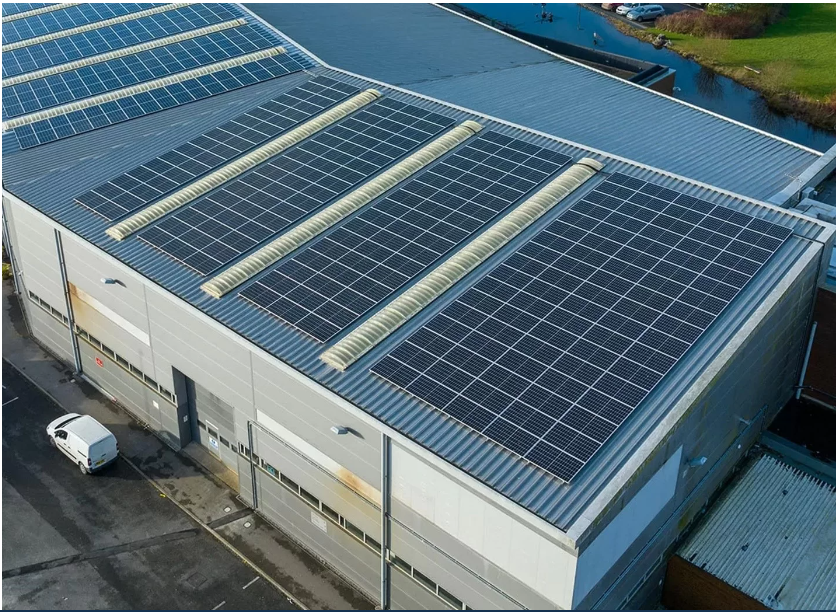
This extension matters most in the lane most relevant to commercial solar projects in India and industrial solar projects in India, both of which overwhelmingly rely on net-metering or open access structures to make their economics work.
It will release stranded inventory.
Developers and module manufacturers who procured cells before the ALMM List-II mandate tightened now have a genuine window to deploy that inventory instead of writing it off. Industry estimates suggest this reopens a potential market of roughly 10–12 GW for the remainder of 2026.
It protects project timelines.
C&I projects with modules already ordered or in transit a common scenario given typical procurement lead times no longer face the risk of a commissioning deadline colliding with a compliance requirement their existing stock can’t meet.
It buys real planning time.
Rather than scrambling to re-source cells from a still-scalingmeans supply is uneven right now, with some technologies (TOPCon especially) harder to source domestically than others domestic supply chain, developers now have through year-end to plan a compliant transition for projects commissioning after the window closes.
For commercial solar projects in India currently being evaluated, this means procurement decisions made now aren’t boxed in by a compliance deadline that, until mid-July, was six weeks away. That’s a meaningfully different planning horizon.
What Doesn’t Change, And Why the Clock Still Matters?
This extension is explicitly framed as a transition window, not a permanent relaxation. Projects that don’t commission before 31 December 2026 and haven’t been commissioned (meaning fully installed, inspected, and switched on) by that date will need to follow the original rule using solar cells sourced only from Indian-approved manufacturers, with no exceptions. As of now, MNRE hasn’t said there will be another extension after this one, and they’ve been fairly direct that this grace period isn’t meant to be repeated indefinitely. Will need to fully comply with ALMM List-II cell-sourcing requirements; no further extension has been confirmed as of this writing, and MNRE has been clear that this isn’t intended as an open-ended exemption.
That makes the next few months a genuinely practical planning window, not a reason to relax. For any commercial or industrial project currently in the pipeline, the sensible move is locking in module procurement and commissioning timelines now, while this exemption is active, rather than assuming a similar extension will materialise again. If you’re a business owner or facility manager with a solar project already being planned or under construction, the smart move is to lock in your equipment orders and get your installation commissioned before the year ends while this exemption is still active rather than assuming the government will simply extend the deadline again if you wait.
Planning Solar This Year? Here’s the Practical Takeaway
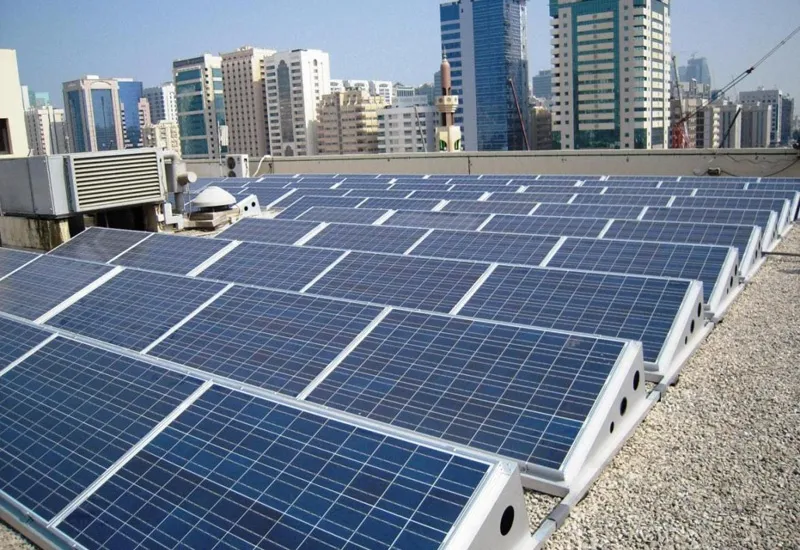
If you are a facility owner, developer, or EPC evaluating a net-metering or open access solar installation in Maharashtra, here’s the practical way to handle the ongoing situation:
- Projects that can realistically commission before 31 December 2026 have more procurement flexibility right now than they did a month ago
- Projects likely to commission after that date should plan around ALMM List-II-compliant cell sourcing from the outset, rather than assuming the exemption will extend again
- No matter which category the project falls into, the compliance landscape here is moving fast enough that working with a partner who is actively tracking MNRE notifications, not working off assumptions from a few months ago, matters more than usual this year.
Navigating This With the Right Partner
Regulatory windows like this one reward developers who move decisively and cost the ones who don’t. As a solar panel installation company in Mumbai, Jevanta Renewables tracks MNRE and MERC notifications as they land, not weeks later, so procurement and commissioning decisions for our commercial and industrial clients are always made against the current rule, not last quarter’s.
With 950+ MW commissioned and CAPEX, RESCO, and BOOT financing models available, we help C&I clients across Maharashtra time their solar procurement to benefit from windows like this one, rather than finding out about a compliance deadline after it’s already too late to act.
If your project has modules or cells procured before the ALMM List-II tightening, or you are weighing a net-metering or open access installation before year-end, now is the time to move; the window is real, but not indefinite.